
Substance of the Month: Pink Cocaine
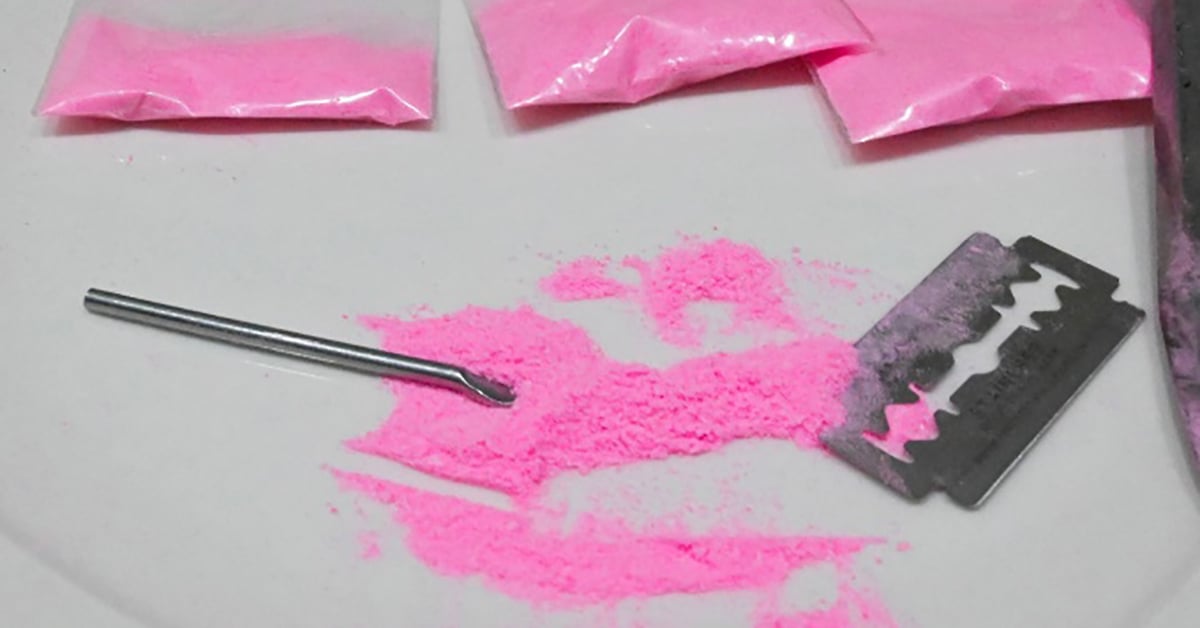
Did you know that Pink Cocaine typically doesn't contain cocaine?
Pink Cocaine, also known at tusi, has been in the news lately. Autopsy reports for singer Liam Payne revealed pink cocaine in his system at the time of his death in October of 2024. More recently pink cocaine was seized as part of a raid on a Colorado nightclub on April 27, 2025. It marks the first time pink cocaine was found in Colorado.
Pink cocaine first appeared around 2018. A dissociative hallucinogenic, it originally contained the psychedelic 2C-B, which is why is it often called “tusi”, phonetically identical to 2C, though it no longer contains that substance as it has become more rare. Instead, pink cocaine attempts to mimic the psycahdelic effects with a mixture of ketamine and, usually, some kind of stimulant. The most common components added are MDMA (ecstasy), methamphetamine and caffeine. Most samples do not contain cocaine itself, though it’s not unknown to be present. This variability is part of the danger of this drug, since it may not have the same composition and potency as the last batch. It is colored pink using food dyes, so the color is not indicative of its composition, either.
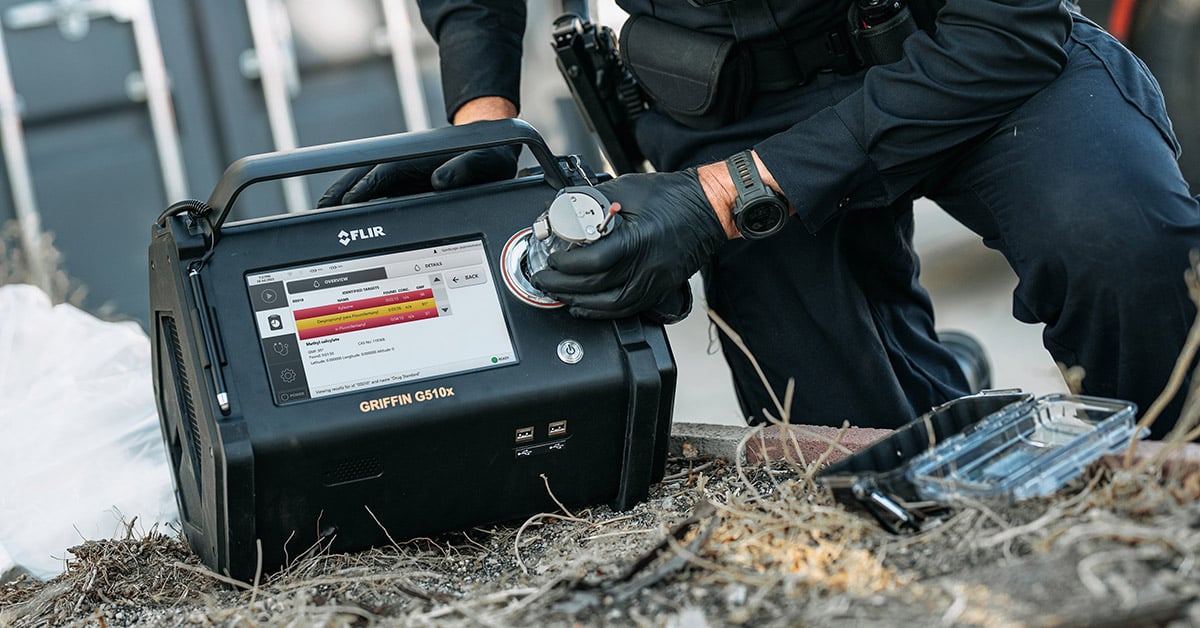
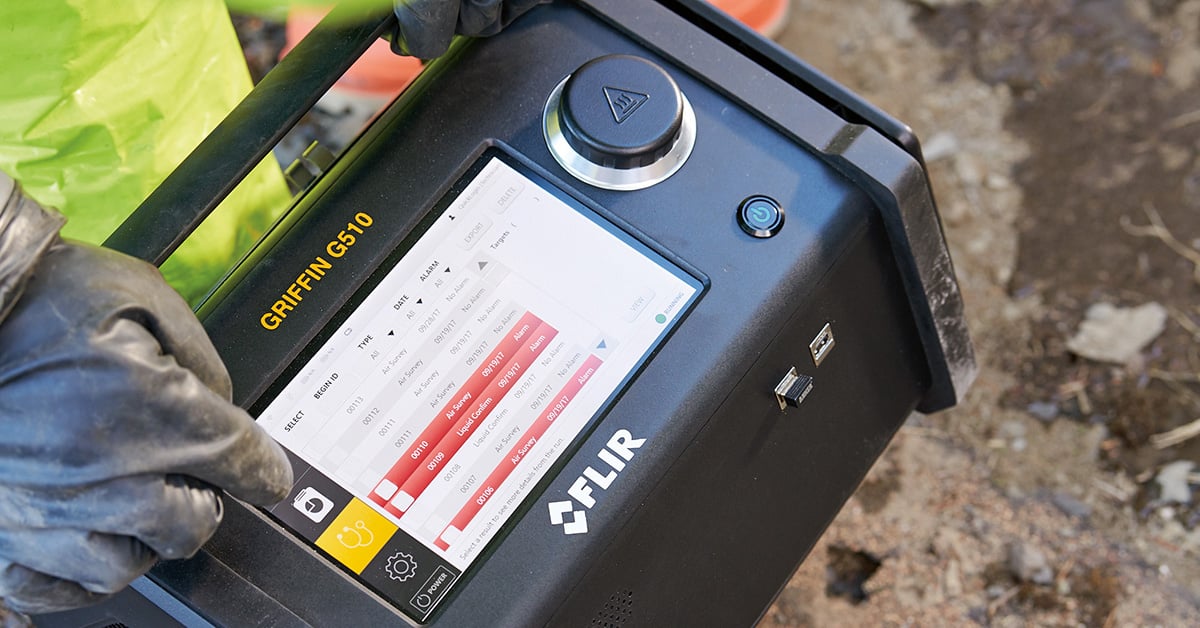
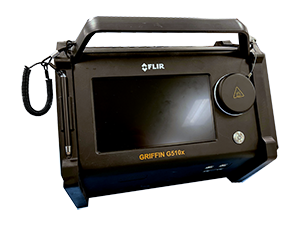 The Griffin G510 and G510X are uniquely suited to identify the components of this threat on scene, and knowing the composition of the drug early is key to effective treatment of overdose and safe handling by LEOs. Pictured to the left is the Griffin G510x used for this testing.
The sample preparation is straightforward; the pink cocaine seized by LEO’s was presented to us during a sales demonstration at their facility. A sample was obtained with a polyester swab, then the swab placed in 2 mL of methanol. The solution was capped and shaken, then a few drops were placed into 1 mL of methanol in a new vial. The results of this process are shown in Figure 2.
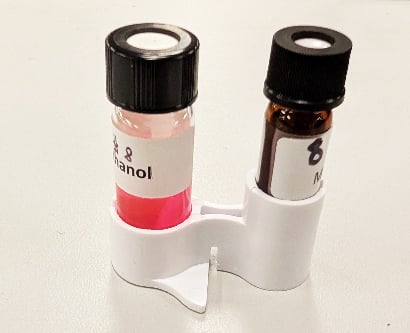
Figure 2 - the Prepared Sample Ready for Injection
Injection of only one microliter of this diluted sample was sufficient to identify the bad actors in this sample (Figures 3 and 4).
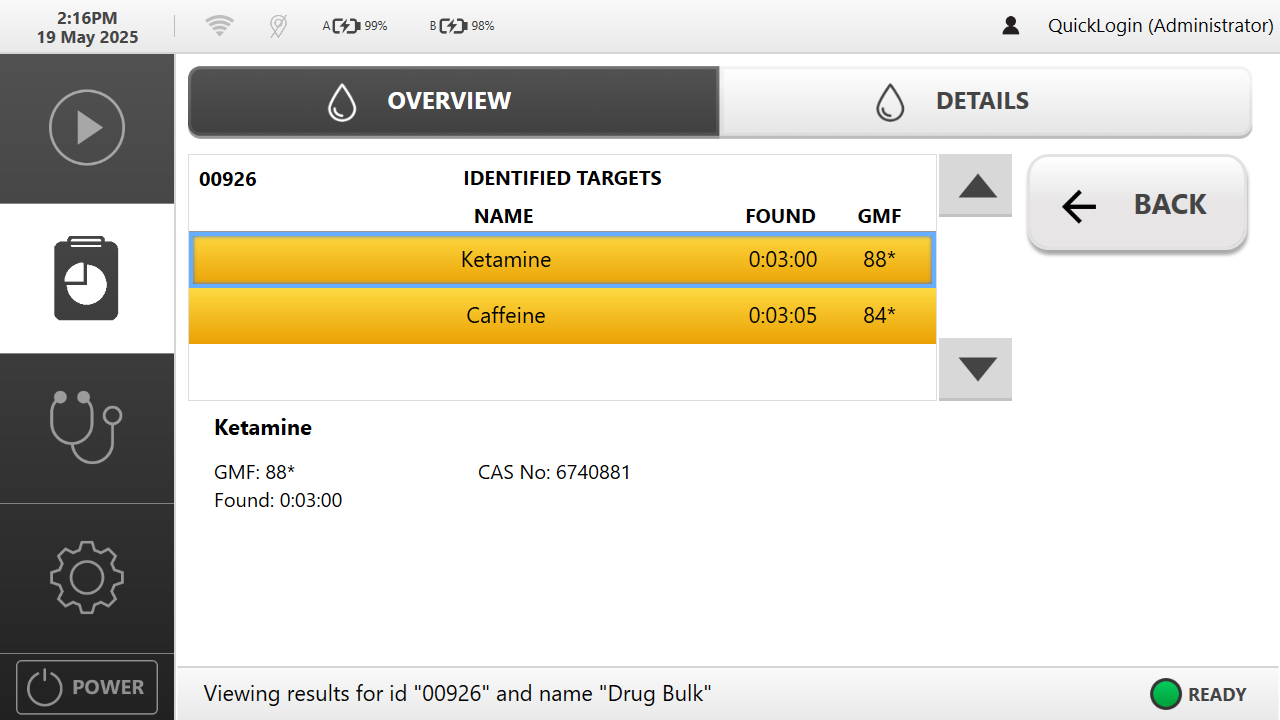
Figure 3 - The overview showing the detected components in the sample
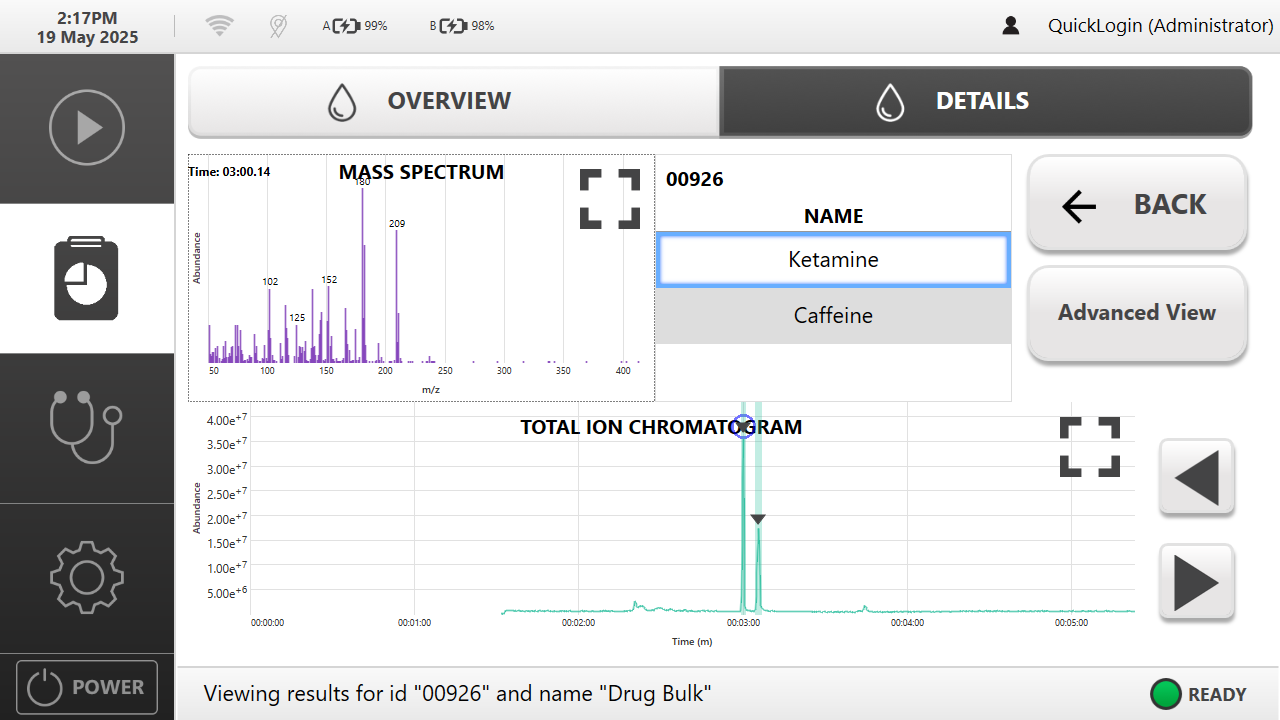
Figure 4 - A more detailed view of the results in level 1 touch
Because the G510 series has the proven ability to detect and identify Ketamine, MDMA, Meth, Cocaine, Eutylone, Oxycodone, or any of the dozens of other actives identified in various samples of pink cocaine seized by Law Enforcement around the globe, it is uniquely suited for these analyses.
Not only does the G510x have a proven track record of seeing the components commonly found in Tusi samples, but it utilizes the SWGDRUG library, containing over 3,500 narcotics-related chemicals, allowing quick, simple, and trusted identification of the materials found by direct comparison to known, critically reviewed MS data.
Yet a third way to view data, available on the G510 for advanced users, shows the library comparison of Ketamine and Caffeine with spectra contained in the SWGDRUG library.
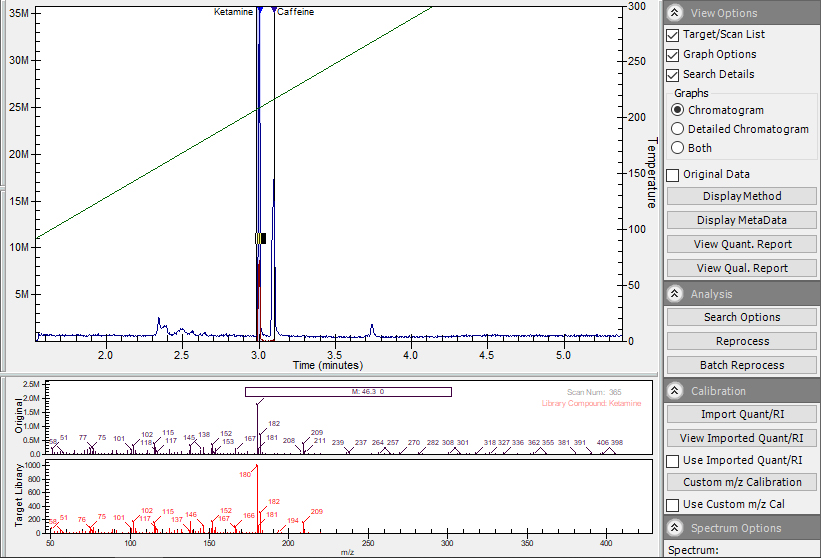
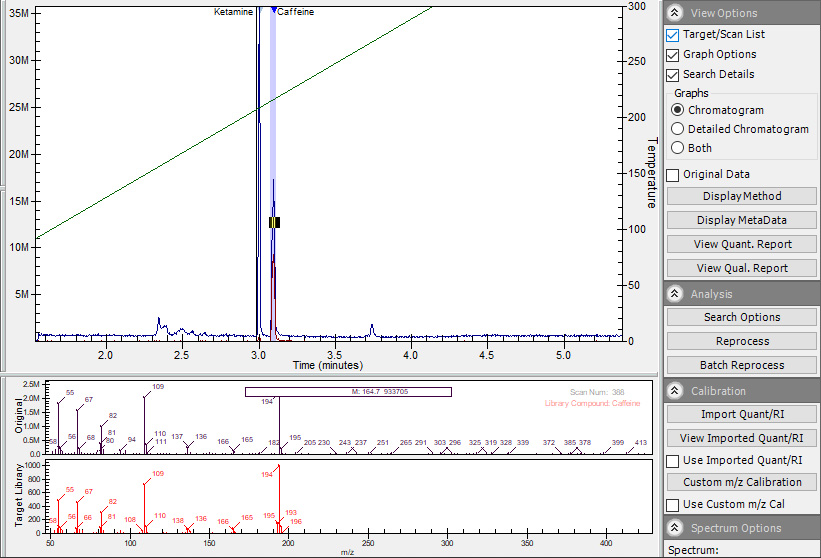
Figure 5 - The spectral library matches for Ketamine and caffeine
In summary, even though Tusi, or Pink Cocaine, is relatively new on the scene, the G510x had no trouble identifying the individual components in the seized sample. The entire process, from sampling the bulk material, preparing the sample, injecting the sample, and receiving data, took less than 10 minutes.
Learn more about the Griffin G510x and download its datasheet by clicking here.
Related Articles
-
 Press Release
Teledyne FLIR Defense to Deliver Portable Chemical Detectors to US Customs and Border Protection to Aid in Narcotics Crackdown
Read the Story -
Griffin G510 App Note: Detection of BTMPS in Seized Powder on Griffin G510
Read the Story -
 Tech Note
Griffin G510x App Note: On-Site Detection and Identification of BTMPS in Seized Fentanyl Samples
Learn more