

New
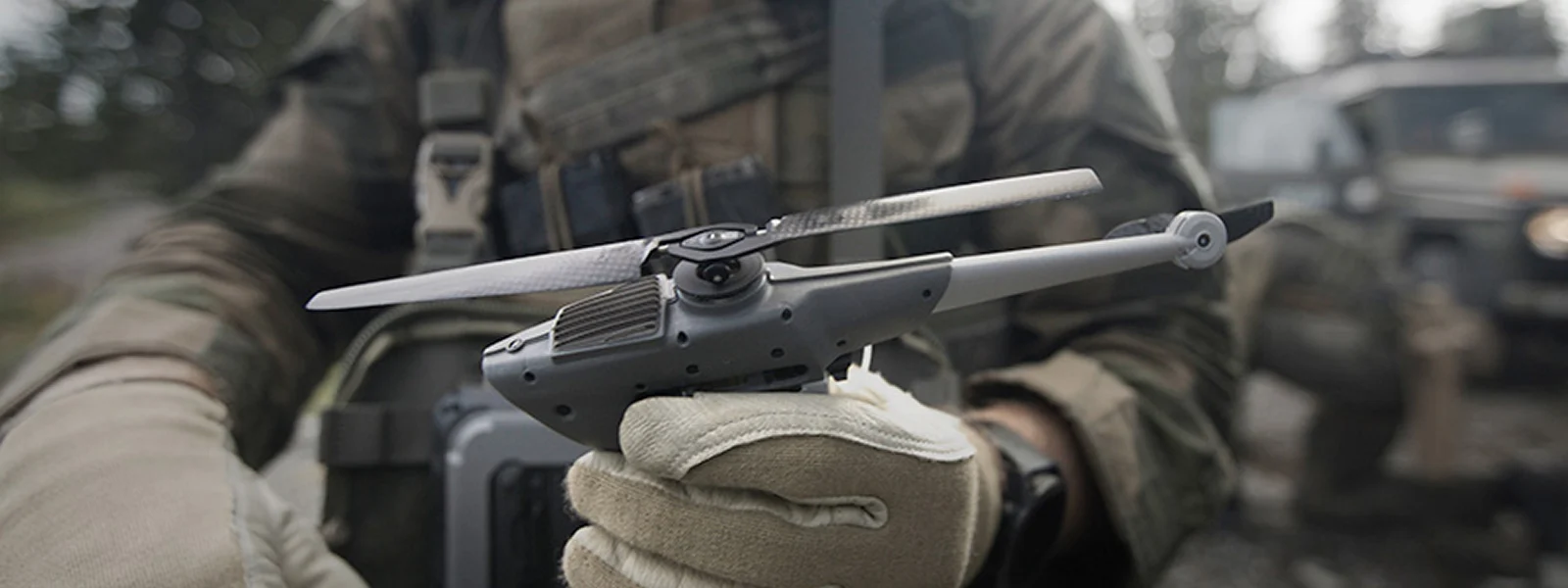
Black Recon™
Autonomous micro drone reconnaissance system designed for vehicle integration, persistent ISR, and operations in GNSS-denied environments
areas we specialize in

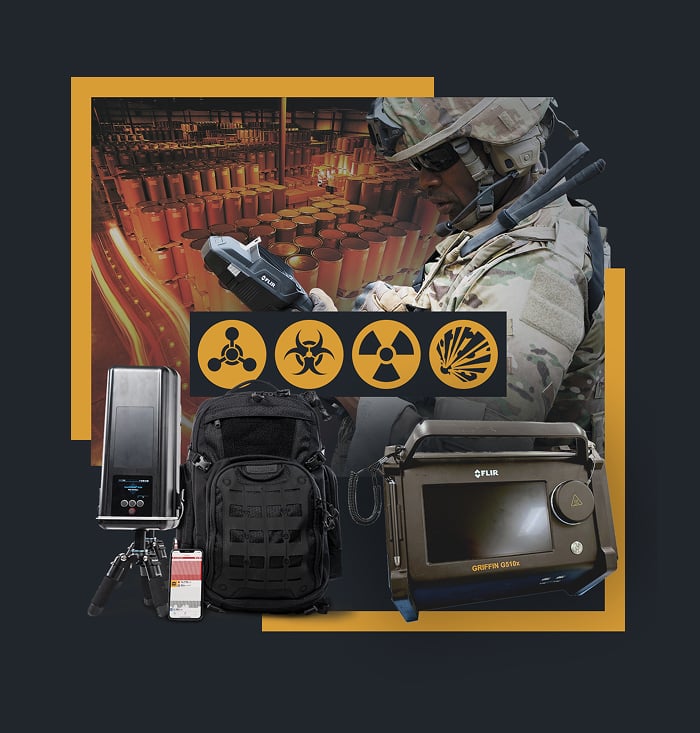
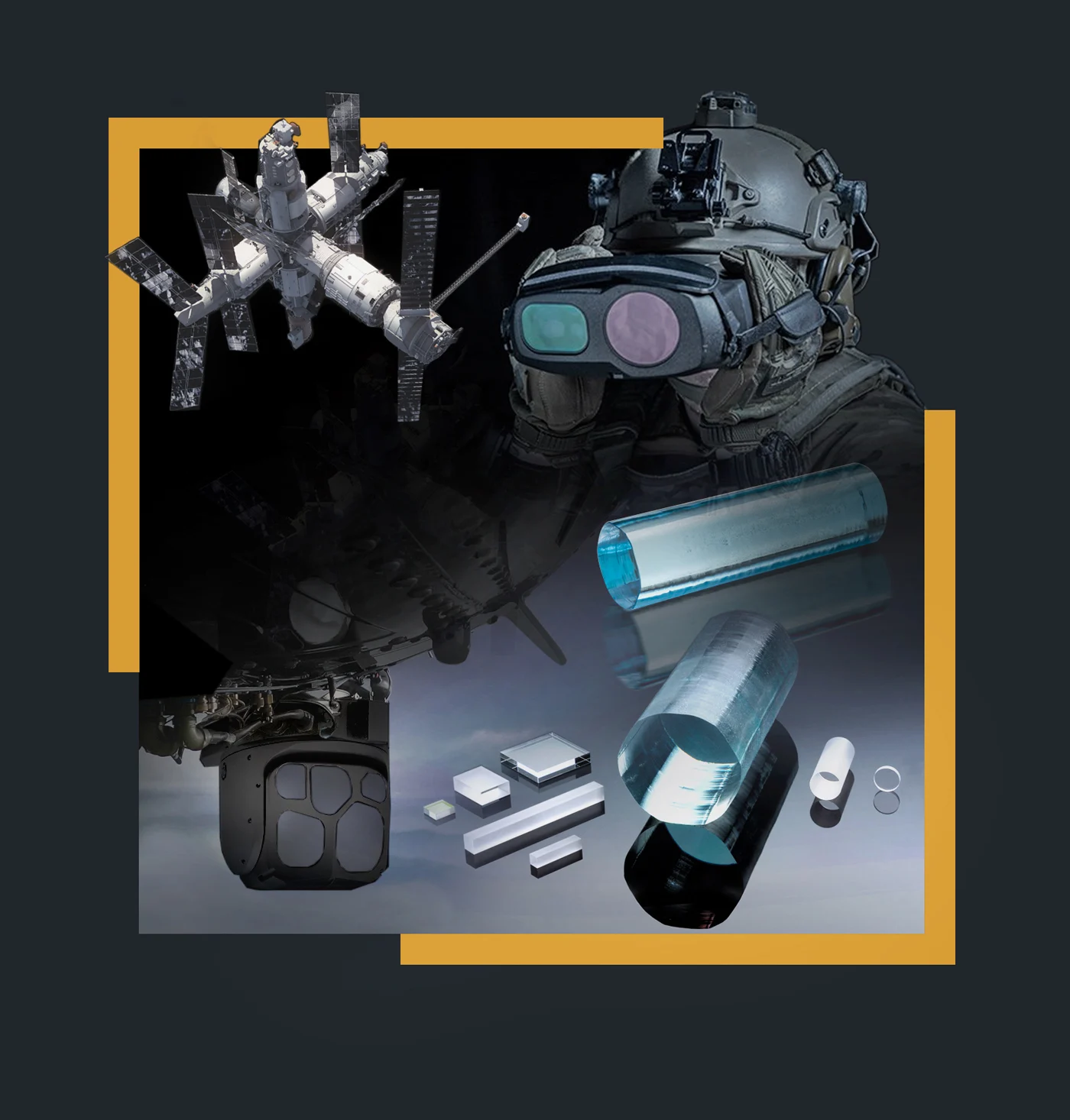




How may we help you?
let’s connect
Teledyne FLIR Defense is a global partner in mission success. With decades of experience supporting allied forces worldwide, we deliver advanced solutions to meet the most complex challenges. Our portfolio reflects innovation, reliability, and a commitment to strengthening security across borders. Explore our capabilities and see how we can help advance your mission on a global scale.
latest news

Press Release
Teledyne FLIR Defense appoints Precision Services as authorised service centre in Denmark
Read the Story

Use Case Scenario
Teledyne Optech Makes High-Density Lidar Mapping Possible in Portugal
Read the Story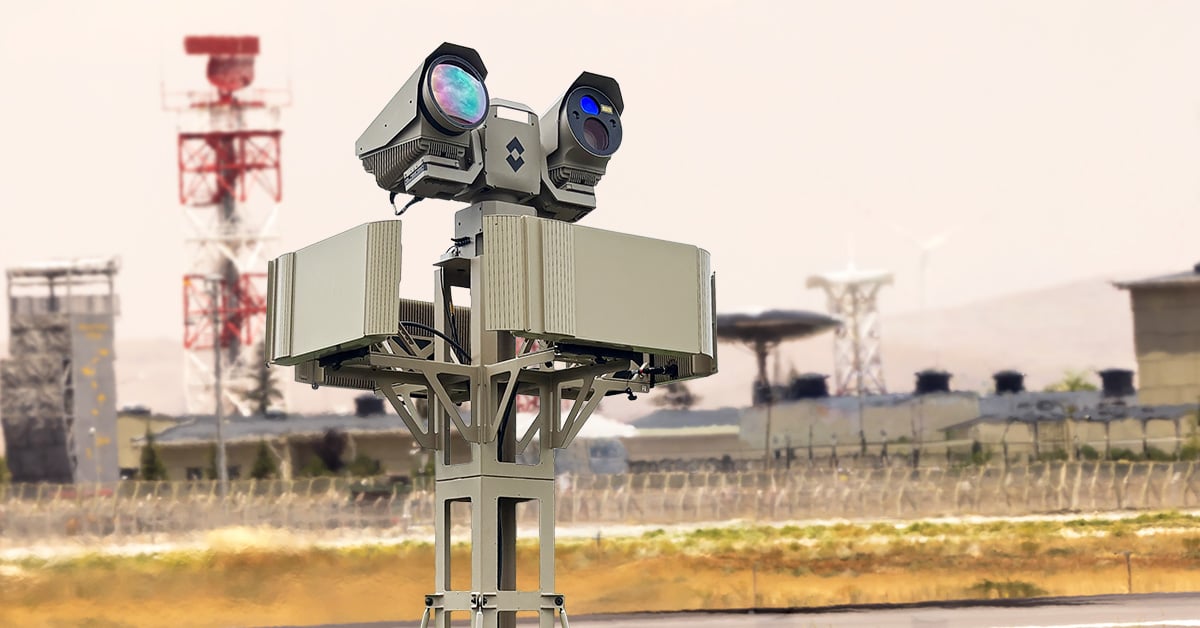
Press Release
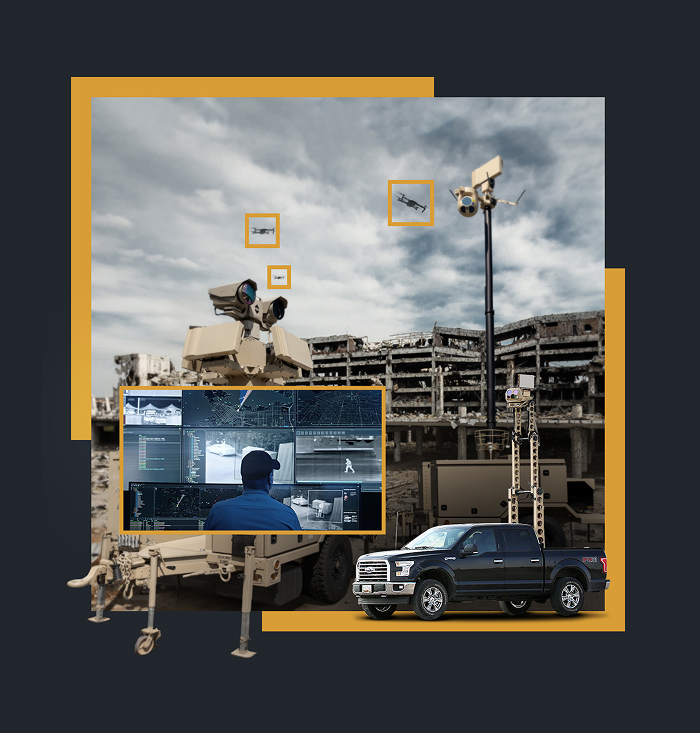
Teledyne FLIR Defense Receives Significant Order to Support AV’s Titan MS Counter-UAS Solution for JIATF-401
Read the StoryThe Future of Operational Success
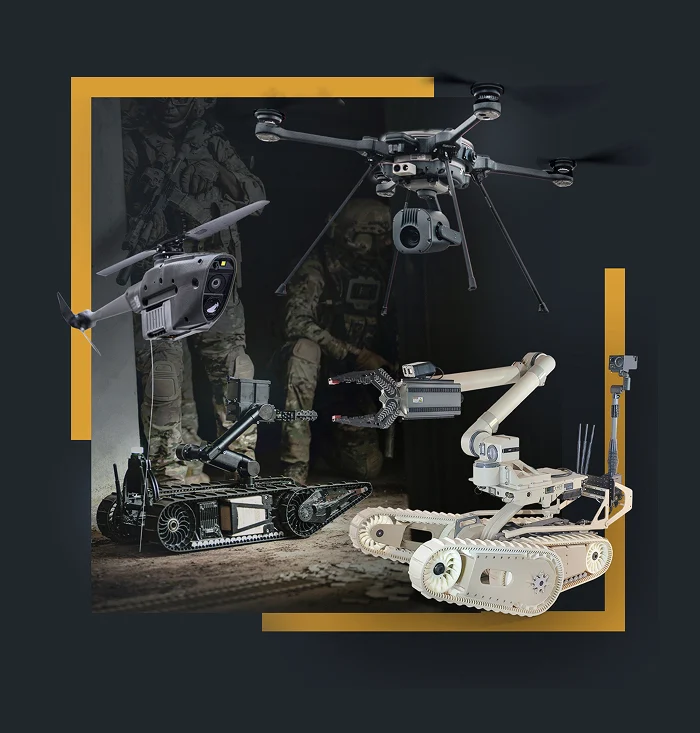
Teledyne FLIR Defense’s unmanned systems redefine what’s possible in defense, law enforcement, and industrial applications. From enhancing mission success with aerial drones to ensuring safety with rugged ground robots, our solutions adapt to meet the most demanding challenges. Trusted by government agencies, law enforcement, and industry experts, these systems empower teams to operate more safely, efficiently, and effectively.

Rapid Response Operations
Deploy unmanned systems for immediate response in critical situations, ensuring faster and safer decision-making.
High-Risk Operations
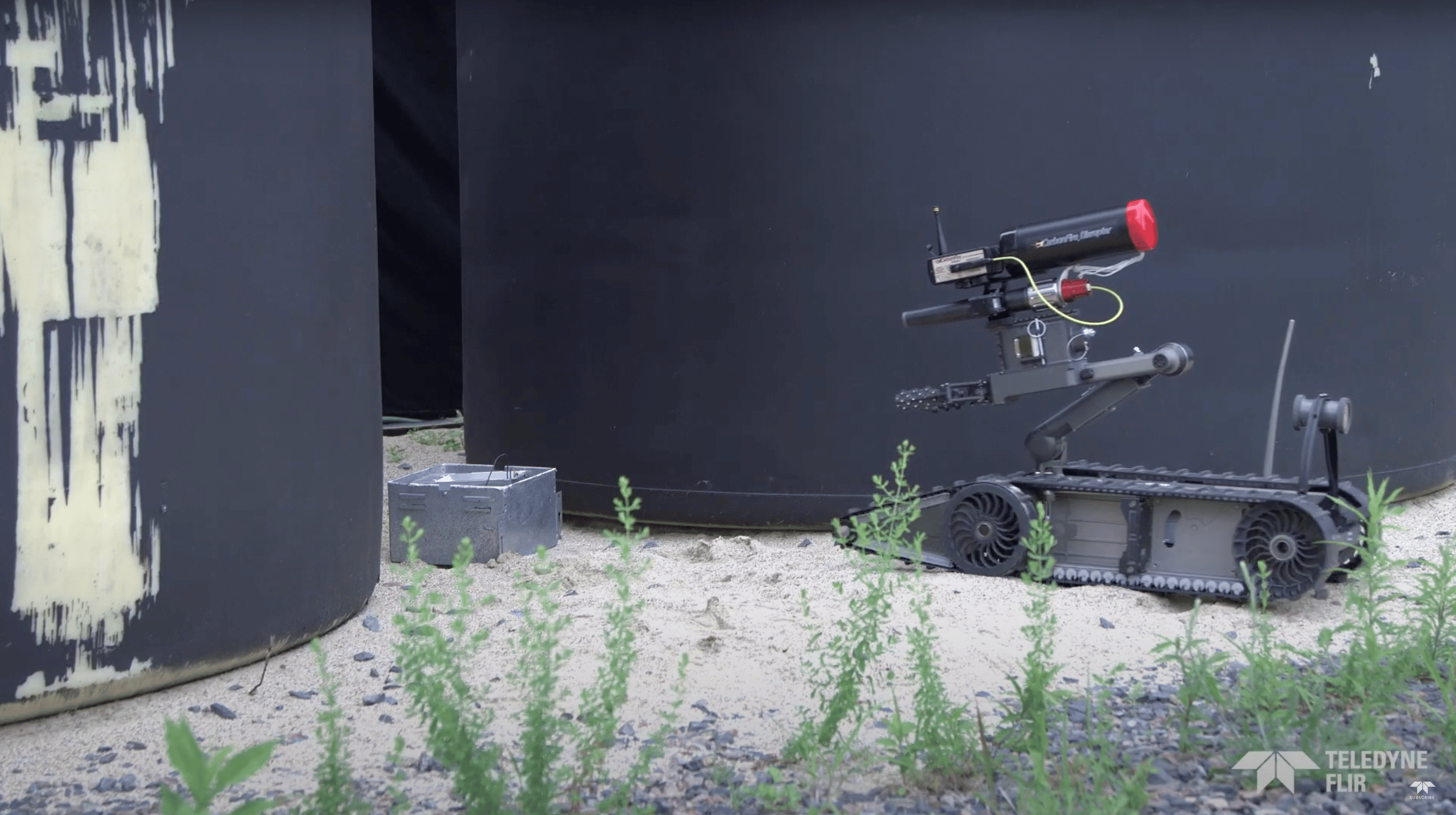
Leverage ground robots to handle hazardous situations like explosive ordnance disposal or chemical spill management, minimizing human risk.

Remote Asset Delivery
Use aerial drones to transport vital supplies, tools, or payloads to inaccessible locations, reducing logistical challenges.

Infrastructure Assessment
Conduct detailed inspections of critical infrastructure—whether urban, remote, or industrial—using autonomous systems.
featured products